Indonesia

AOPEN Product Environmental & Regulatory
Compliance


All AOPEN products comply with EU related Product Environmental & Regulatory Compliance.

RoHS requirement
Lead (Pb) <1000 ppm Polybrominated biphenyl ethers (PBDEs) <1000 ppm
Mercury (Hg) <1000 ppm Bis(2-ethylhexyl) phthalate (DEHP) <1000 ppm
Cadmium (Cd) < 100 ppm Butyl benzyl phthalate (BBP) <1000 ppm
Hexavalent chromium (Cr6+) <1000 ppm Dibutyl phthalate (DBP)  <1000 ppm
Polybrominated biphenyl (PBBs ) <1000 ppm Diisobutyl phthalate (DIBP)  <1000 ppm


WEEE requirement

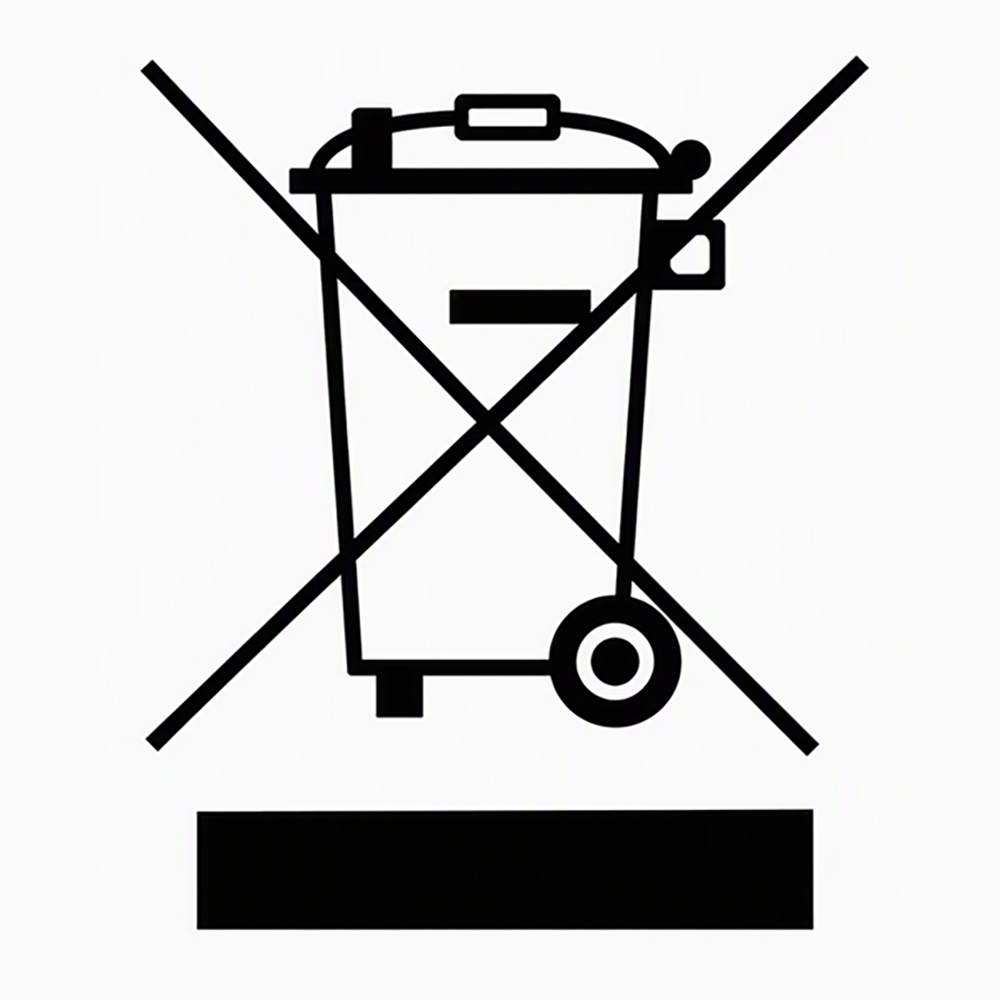
Manufacturers are responsible for mitigating environmental pollution caused by product waste. They must utilize easily recyclable designs and bear the full responsibility and cost of product recovery. Additionally, products sold in the EU must feature the "crossed-out wheeled bin" symbol directly on the product body to indicate separate collection for Electrical and Electronic Equipment (EEE).

REACH

REACH(EC 1907/2006) is the European Community Regulation on chemicals and their safe use. It deals with the Registration, Evaluation, Authorisation and Restriction of Chemical substances.


The REACH Regulation places responsibility on industry to manage the risks from chemicals and to provide safety information on the substances.


Manufacturers and importers are required to gather information on the properties of their chemical substances, which will allow their safe handling, and to register the information in a central database in the European Chemicals Agency (ECHA) in Helsinki. The Agency is the central point in the REACH system: it manages the databases necessary to operate the system, co-ordinates the in-depth evaluation of suspicious chemicals and is building up a public database in which consumers and professionals can find hazard information.


The Regulation also calls for the progressive substitution of the most dangerous chemicals (referred to as "substances of very high concern") when suitable alternatives have been identified.

CE Mark

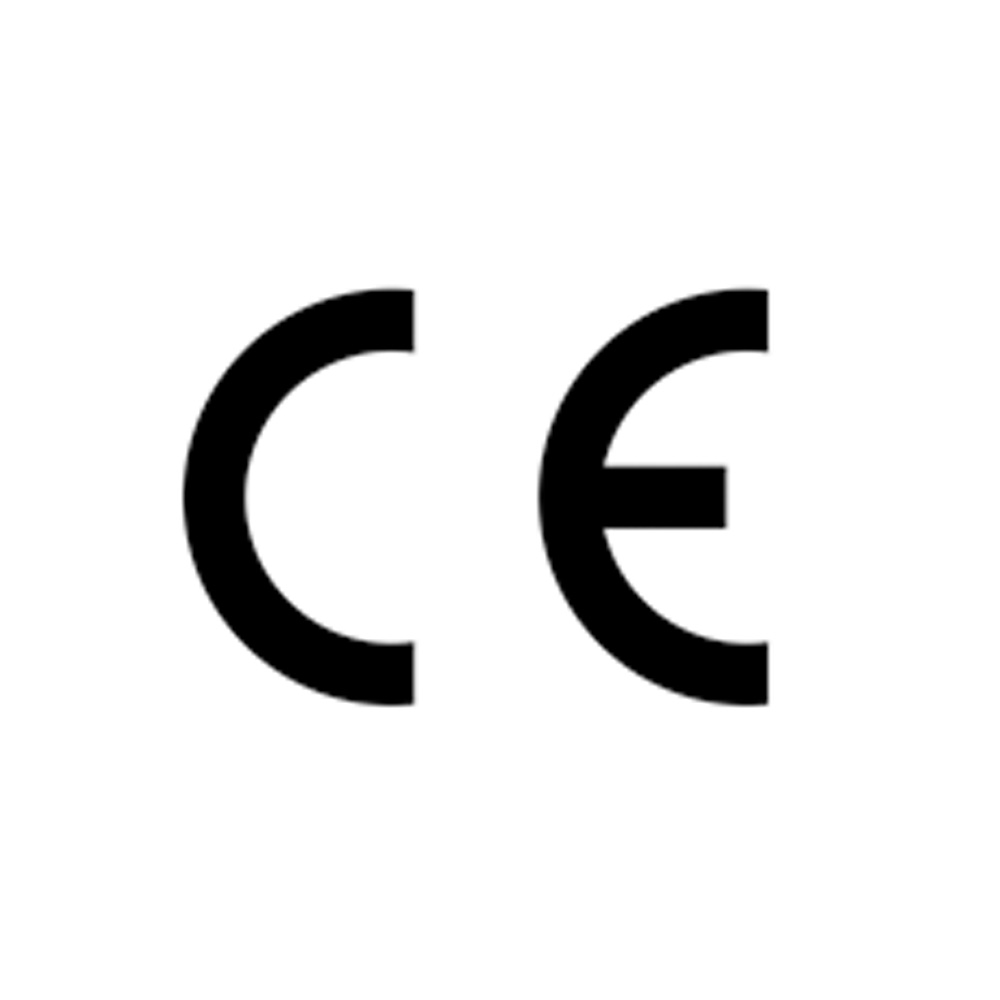
The CE marking is a key indicator of a product's compliance with EU legislation and enables the free movement of products within the European market.


By affixing the CE marking to a product, a manufacturer declares that the product meets all the legal requirements for CE marking and can be sold throughout the EEA. This also applies to products made in other countries that are sold in the EEA.


The letters ‘CE’ appear on products to signify that products sold in the EEA have been assessed to meet high safety, health, and environmental protection requirements.

Conflict minerals

These so-called 'conflict minerals', such as tantalum (Ta), tin (Sn), tungsten(W) and gold (Au), respectively, and are used in electronics and other products.


In politically unstable areas the Democratic Republic of the Congo(DRC) and its adjoining countries, armed groups often use forced labor to mine minerals. They then sell those minerals to fund their activities, for example to buy weapons.


To stem the trade in conflict minerals: To stop conflict minerals and metals from being exported and refiners from using conflict minerals, and mine workers from being abused. To ensure import these minerals and metals from responsible sources only.


Smart saving & small form factor design

Smart saving

Cut your bills, not your performance. Our smart saving products deliver same results using a fraction of the power. We make energy affordable for businesses while driving down monthly overhead.

Small form factor design

Lower Emissions: Reducing item size and weight decreases transport fuel use and overall carbon output. Material Efficiency: Streamlined products require less raw material to manufacture and less protective packaging for transit. Optimized Logistics: Smaller shapes allow carriers to fit more units into a single shipment, reducing cargo space waste and total transport trips.